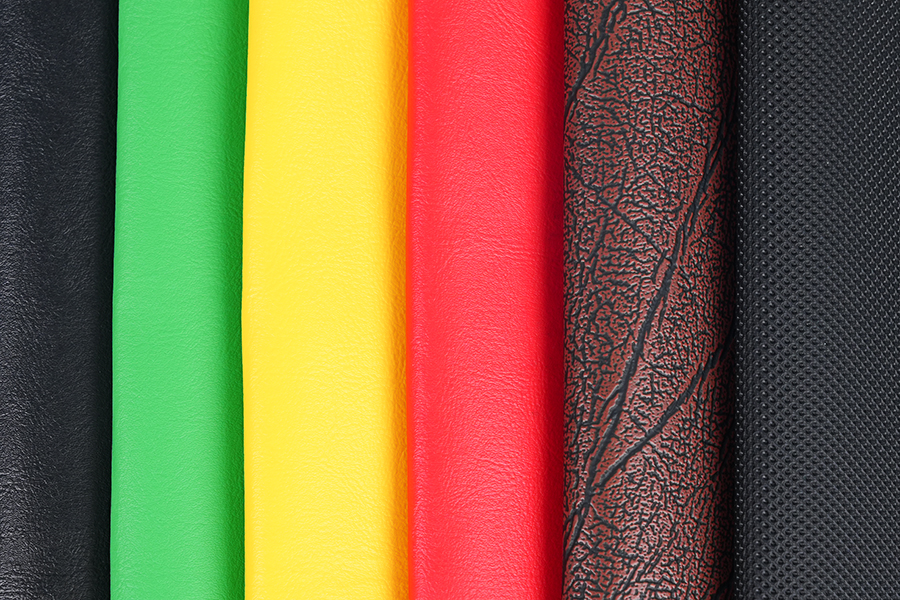
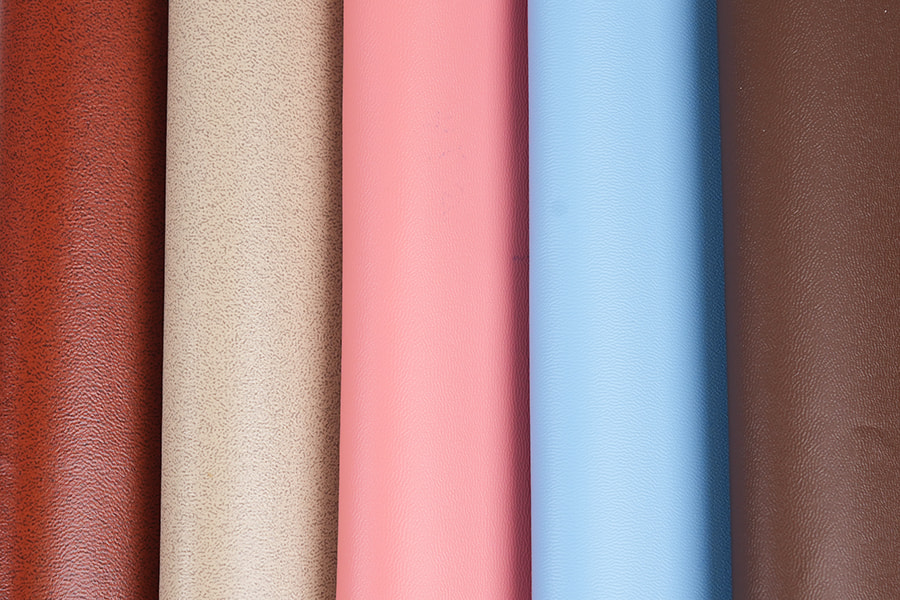
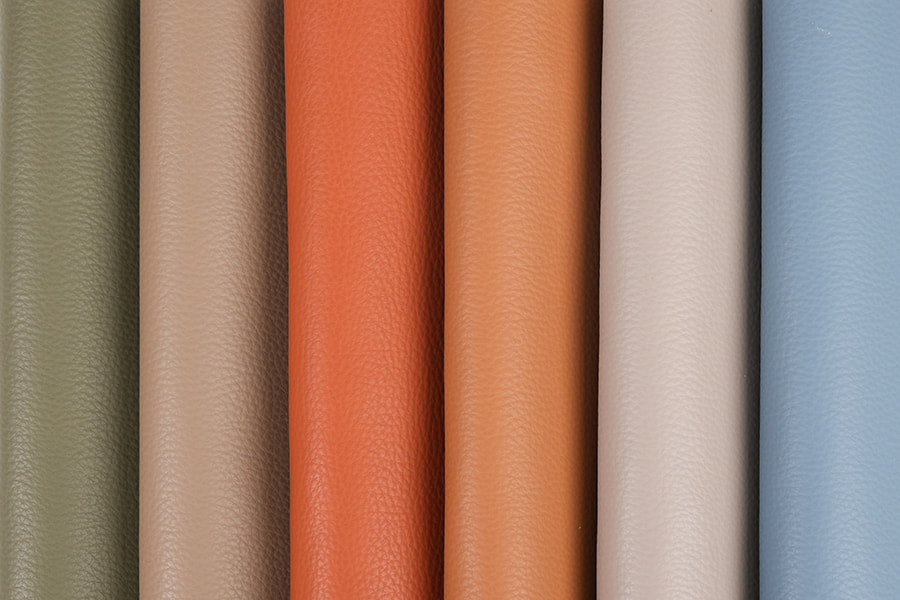
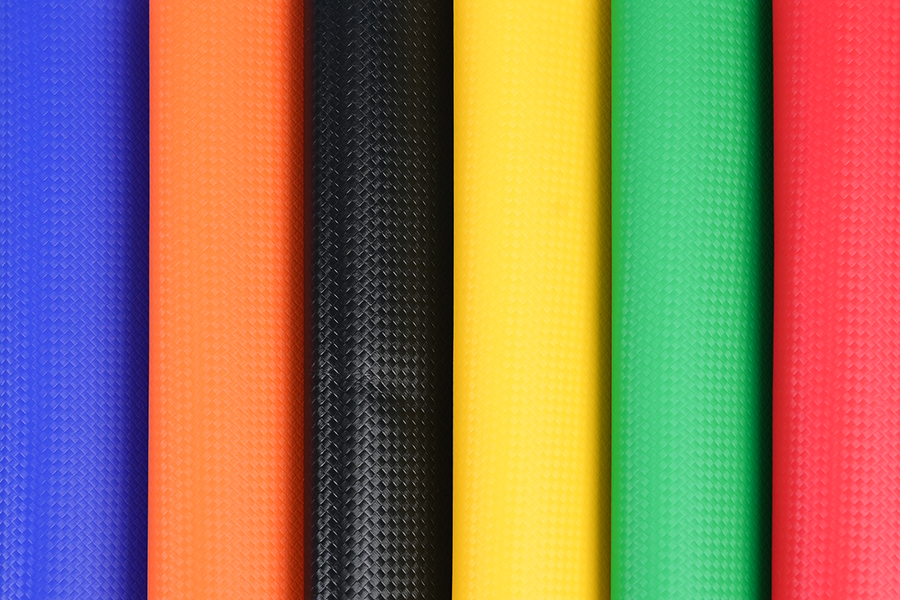
PVC-Kunstleder ist für seine Haltbarkeit, Wasserbeständigkeit und geringeren Produktionskosten bekannt und wird häufig in einer Vielzahl von Anwendungen wie Taschen, Schuhen und Heimdekorationsprodukten verwendet. Um das Aussehen, die Textur, die Haltbarkeit und die zusätzliche Funktionalität zu verbessern, werden bei der Herstellung mehrere Oberflächenbehandlungsverfahren eingesetzt. In diesem Artikel werden die gängigen Oberflächenbehandlungstechniken untersucht, die in verwendet werden PVC-Kunstleder Produktion, wobei ihre Vorteile und möglichen Nachteile detailliert beschrieben werden.
1. Heißpressprozess
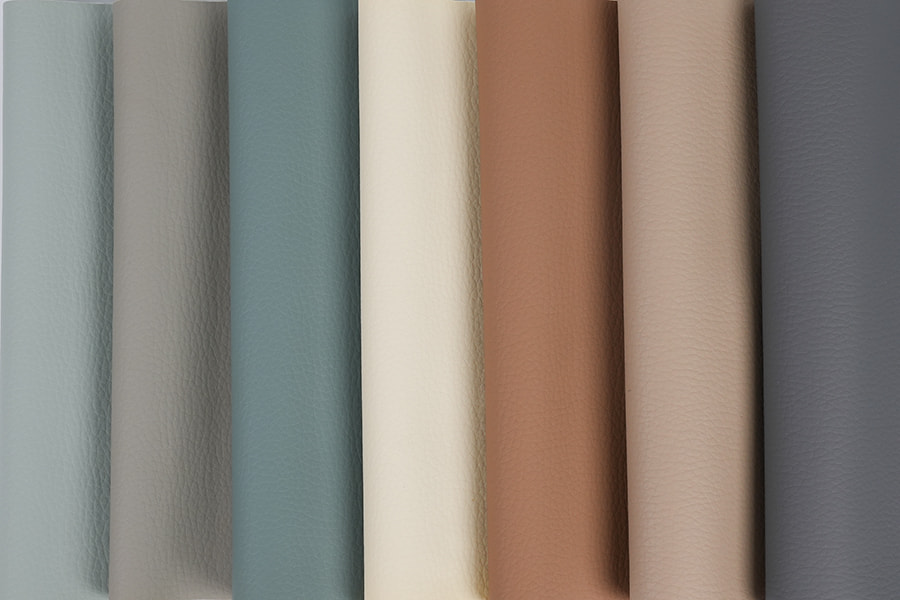
Das Heißpressverfahren ist eine gängige Oberflächenbehandlungstechnik bei der Herstellung von PVC-Kunstleder. Dabei werden PVC-Folien und Substrate auf eine bestimmte Temperatur erhitzt und dann mit einer Form gepresst, um die gewünschte Textur zu erzeugen. Diese Methode verbessert effektiv die Weichheit, den Glanz und die klaren Oberflächenmuster des Leders. Durch Heißpressen werden häufig realistische Effekte wie simulierte Rindsleder- oder Schlangenmuster erzeugt, wodurch das Kunstleder optisch und haptisch näher an echtem Leder erscheint.
Vorteile:
- Erzeugt eine Vielzahl von Texturen und Mustern und erhöht so die Produktvielfalt.
- Verbessert die Haptik und das Aussehen von Leder.
- Effizient für die Produktion im großen Maßstab.
Nachteile:
- Erfordert hochwertige Ausrüstung und die Formkosten können hoch sein.
- Temperatur und Druck müssen genau kontrolliert werden, da unsachgemäße Prozesse das Material schädigen können.
2. Druckvorgang
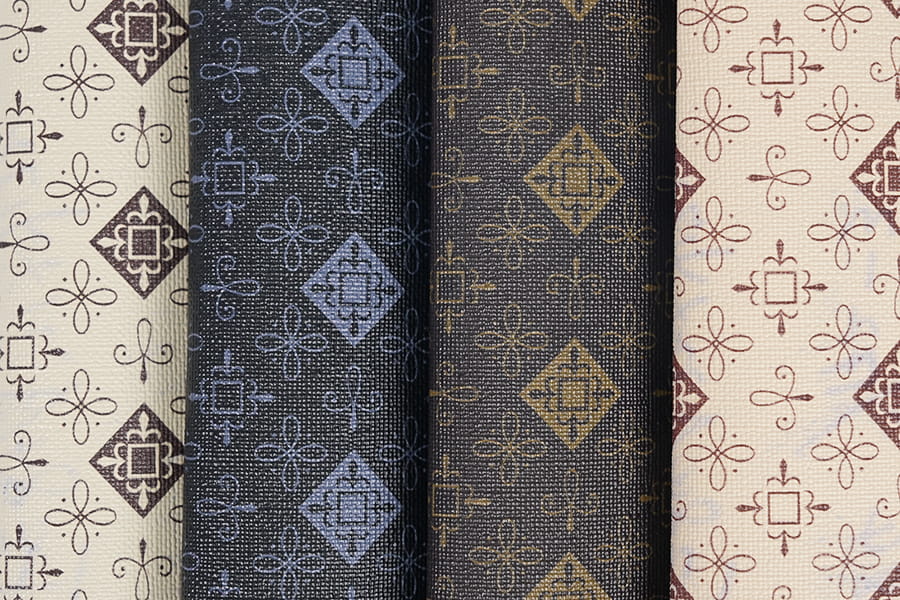
Bei der Oberflächenbehandlung von PVC-Kunstleder, insbesondere bei komplexen Designs und Mustern, spielt das Druckverfahren eine wesentliche Rolle. Mit Methoden wie Siebdruck, Wärmeübertragungsdruck und Tintenstrahldruck werden verschiedene Muster auf die Lederoberfläche aufgebracht. Der Druck wird häufig für Modetaschen, Kleidung und Wohnaccessoires verwendet.
Vorteile:
- Ermöglicht hochpräzises und mehrfarbiges Drucken und bietet Flexibilität im Design.
- Niedrige Druckkosten, geeignet für kleine und große Produktionen.
- Bedruckte Oberflächen sind glatt, leuchtend in der Farbe und leicht zu reinigen und zu pflegen.
Nachteile:
- Gedruckte Designs können mit der Zeit aufgrund von Reibung oder Sonneneinstrahlung verblassen.
- Einige Druckverfahren können zu Umweltverschmutzung führen.
3. Beschichtungsprozess
Beim Beschichtungsprozess wird eine Schutz- oder Dekorschicht auf die Oberfläche von PVC-Kunstleder aufgetragen, um dessen Haltbarkeit, Schmutzbeständigkeit und allgemeine Ästhetik zu verbessern. Zu den gängigen Beschichtungsmaterialien gehören Polyurethan (PU), Fluorkohlenwasserstoffe und Silikonharze. Die Beschichtung erhöht nicht nur die UV-Beständigkeit, sondern verbessert auch die Wasserbeständigkeit, Ölabweisung und Kratzfestigkeit.
Vorteile:
- Erhöht die Widerstandsfähigkeit des Leders gegen Wasser, Schmutz und Abnutzung und verlängert so seine Lebensdauer.
- Verschiedene Beschichtungen können unterschiedliche Texturen erzeugen, z. B. glänzende, matte oder seidige Oberflächen.
- Es können umweltfreundliche Beschichtungen verwendet werden, die den Standards einer umweltfreundlichen Produktion entsprechen.
Nachteile:
- Wenn die Haftung nicht stark genug ist, können sich Beschichtungen mit der Zeit ablösen.
- Einige Beschichtungen können zu Umweltproblemen führen, wenn sie nicht sorgfältig ausgewählt werden.
4. Prägeprozess
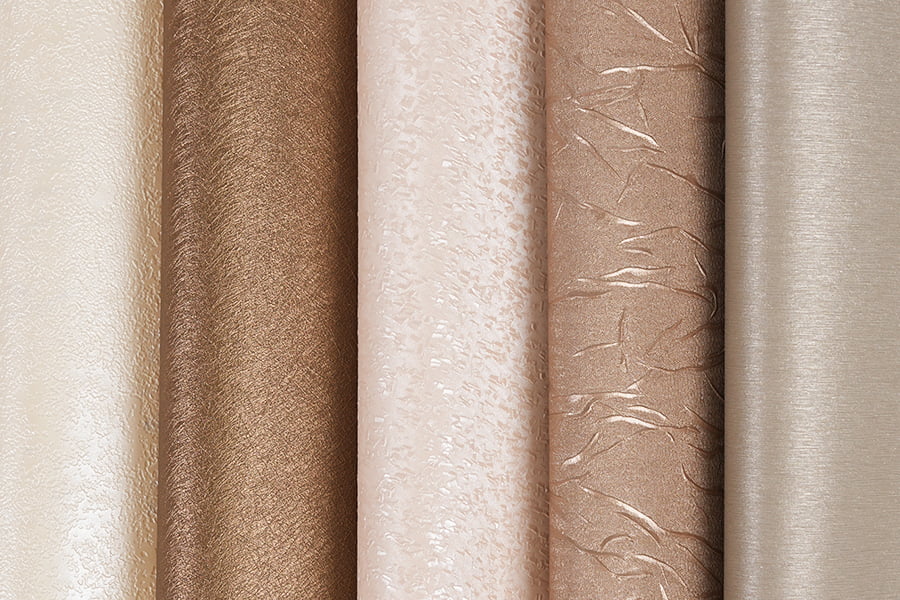
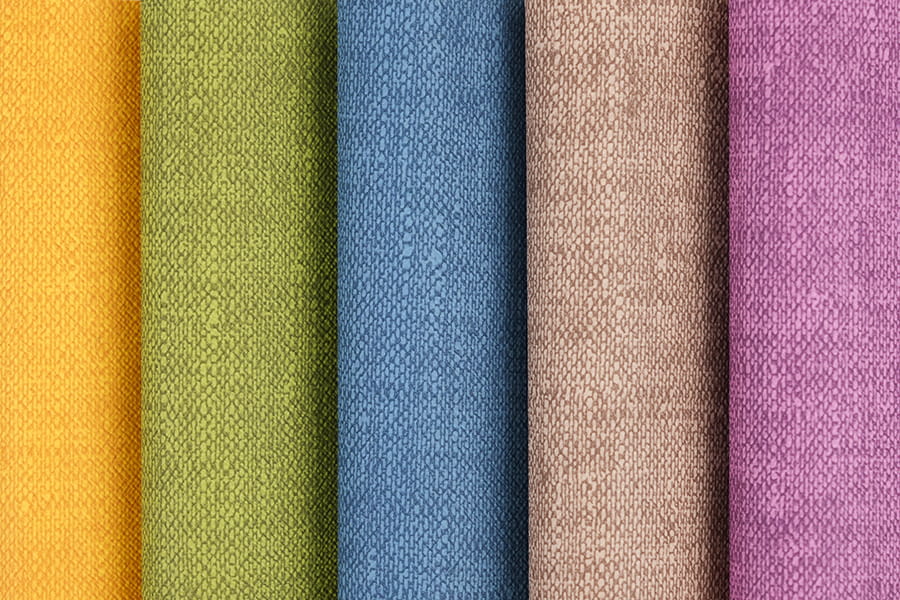
Beim Prägeverfahren werden durch Druck verschiedene Muster oder Texturen in die Oberfläche von PVC-Kunstleder gepresst. Zu den üblichen Prägeeffekten gehören lederähnliche Texturen, Gittermuster und Streifen. Dieser Prozess verbessert nicht nur die optische Attraktivität von Kunstleder, sondern verbessert auch seine taktile Haptik, wodurch es dem natürlichen Leder näher kommt.
Vorteile:
- Ideal für die Herstellung von Kunstlederprodukten mit einem natürlicheren Aussehen und einer natürlicheren Textur.
- Geeignet für die Produktion in großem Maßstab mit hoher Effizienz.
- Es können anpassbare Muster und Texturen erstellt werden, um den unterschiedlichen Marktanforderungen gerecht zu werden.
Nachteile:
- Geprägte Muster können mit der Zeit durch den Gebrauch verblassen oder sich abnutzen.
- Überprägung oder ungleichmäßiger Druck können die ästhetische Qualität des Leders beeinträchtigen.
5. Lasergravurprozess
Beim Lasergravurverfahren werden mithilfe der Lasertechnologie detaillierte Muster oder Texte in die Oberfläche von PVC-Kunstleder eingraviert. Die Lasergravur ermöglicht äußerst präzise, komplizierte Designs, die langlebig und lichtbeständig sind. Dieses Verfahren wird häufig bei hochwertigen Taschen, Schuhen und maßgeschneiderten Lederprodukten eingesetzt.
Vorteile:
- Hohe Präzision, ermöglicht das Gravieren komplizierter Muster und Texte.
- Umweltfreundlich, da ohne Einsatz von Chemikalien.
- Eingravierte Muster sind langlebig und lichtbeständig.
Nachteile:
- Lasergeräte sind teuer, was zu hohen Anfangsinvestitionskosten führt.
- Für eine wirkungsvolle Gravur müssen Materialstärke und -art bestimmte Anforderungen erfüllen.
6. Schleifvorgang
Der Schleifprozess umfasst mechanische oder chemische Verfahren, um die Oberfläche von PVC-Kunstleder aufzurauen und so eine strukturierte Haptik zu erzeugen. Dieses Verfahren wird typischerweise für hochwertige Taschen, Geldbörsen und andere Produkte verwendet, um deren haptische Qualität und Optik zu verbessern.
Vorteile:
- Verbessert die Haptik des Leders und macht es angenehmer anzufassen.
- Hilft, Kratzer und Unebenheiten zu kaschieren, wodurch das Leder haltbarer aussieht.
- Bietet eine elegante, matte Textur mit einem luxuriösen Gefühl.
Nachteile:
- Auf geschliffenen Oberflächen kann sich Staub ansammeln, was die Reinigung erschwert.
- Wenn der Vorgang nicht ordnungsgemäß durchgeführt wird, kann die Textur ungleichmäßig sein.
7. UV-härtende Beschichtung
UV-härtende Beschichtung ist eine Oberflächenbehandlungstechnik, bei der ultraviolettes (UV) Licht verwendet wird, um die Aushärtung der Beschichtungsschicht auf PVC-Kunstleder zu beschleunigen. Durch diesen Prozess entsteht eine harte Schutzschicht, die die Kratzfestigkeit, Haltbarkeit und Wasserabweisung des Leders deutlich erhöht.
Vorteile:
- Bietet eine hohe Kratzfestigkeit und schützt das Leder vor Abnutzung.
- Schneller Aushärtungsprozess zur Verbesserung der Produktionseffizienz.
- Umweltfreundlich, da zum Aushärten keine Lösungsmittel erforderlich sind.
Nachteile:
- UV-Beschichtungen können spröde sein und unter extremen Bedingungen reißen.
- Erfordert spezielle UV-Härtungsgeräte, die kostspielig sein können.